



Blog
Why Shiva Wall Art Is Popular in Modern Homes


Home decor has changed a lot in recent years. People are no longer choosing wall art only for decoration. Many homeowners now look for artwork that carries meaning and reflects their mindset.
This is one reason Shiva wall art has become popular in modern homes. The image of Lord Shiva represents calm strength, awareness, and balance. These qualities resonate strongly with people who want their living spaces to feel peaceful yet powerful.
A Shiva poster does not just fill an empty wall. It introduces depth and symbolism into the room, which is why it has become a preferred choice for many contemporary interiors.
The Meaning Behind Shiva Imagery
Shiva is one of the most symbolic figures in spiritual traditions. Different forms of Shiva represent different aspects of life, awareness, and transformation.
Shiva as the First Yogi
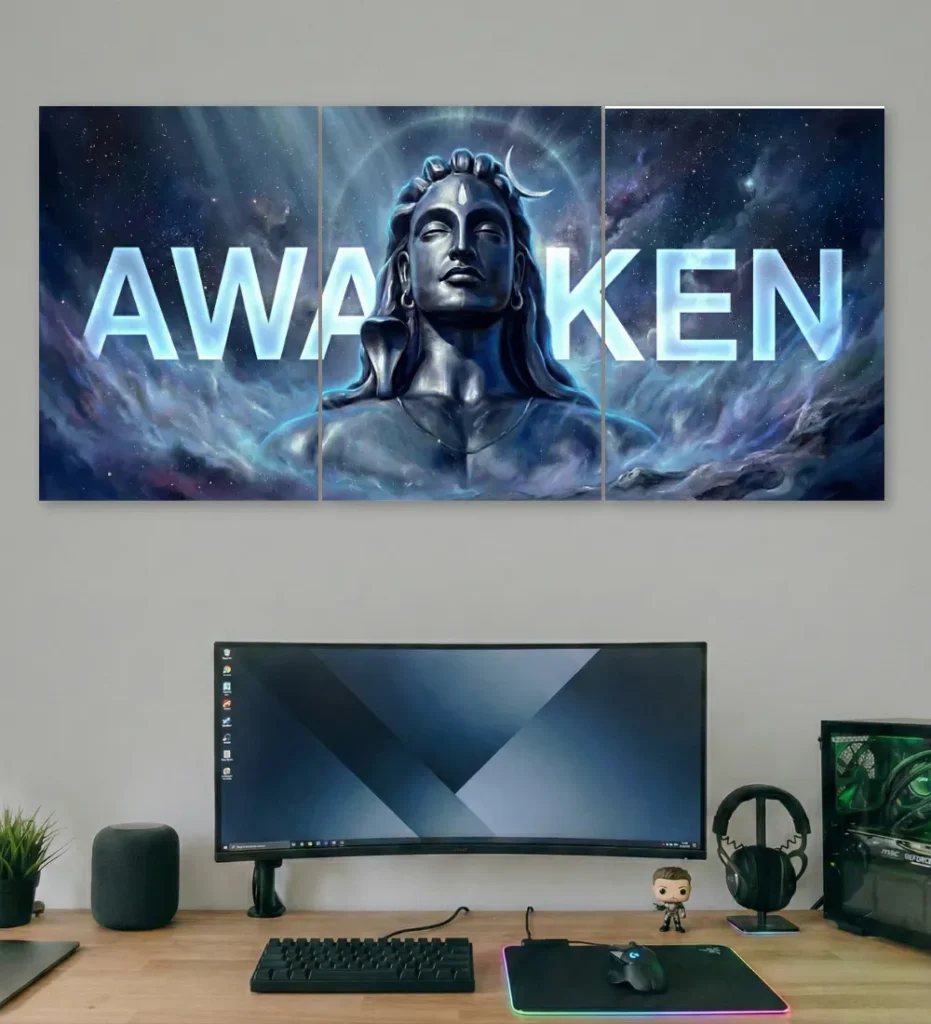
One of the most well-known forms of Shiva is Adiyogi, the first yogi. In this form, Shiva represents the origin of meditation and self awareness. The calm expression and meditative posture reflect discipline and inner balance.
Because of this meaning, many people choose Shiva artwork that represents this yogic form. The symbolism of Shiva as Adiyogi and the deeper meaning behind this form of wall art often attracts those who want their living space to reflect mindfulness and inner clarity.
The Symbolism of the Third Eye
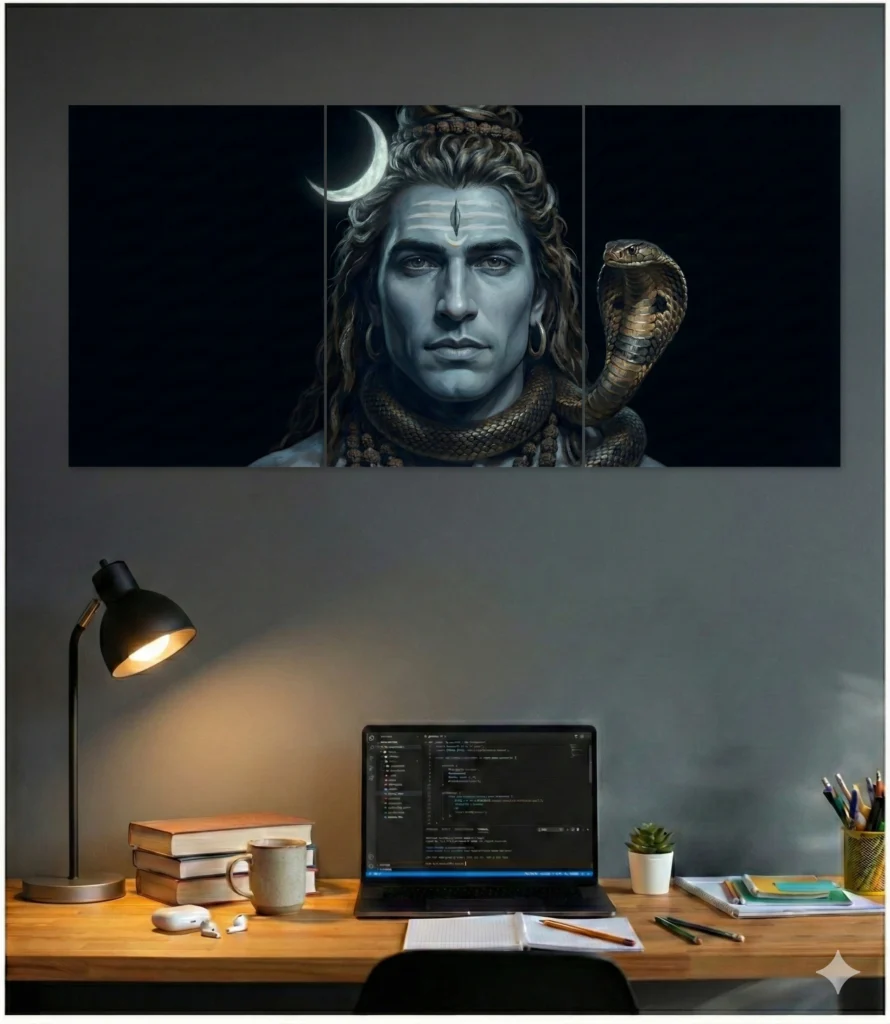
Another powerful symbol often seen in Shiva wall art is the third eye on his forehead. This symbol represents awareness and the ability to see truth beyond illusion.
The third eye is believed to remove ignorance and reveal clarity. For many people, artwork that highlights this symbol represents mental focus and spiritual awakening. The deeper philosophy behind the spiritual power of Shiva’s third eye and its meaning adds another layer of significance to Shiva imagery in home decor.
The Cosmic Dance of Nataraja
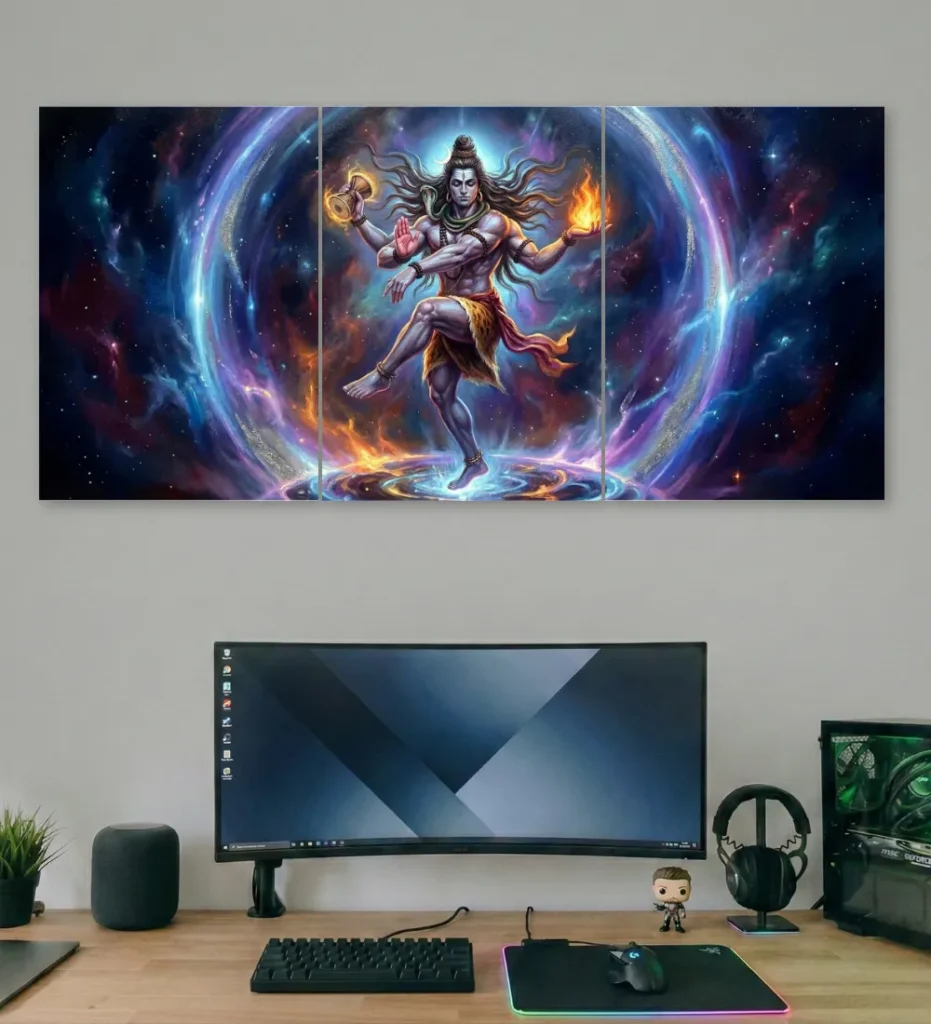
Some Shiva artworks depict the form of Nataraja, where Shiva performs the cosmic dance. This dance symbolizes the cycle of creation, preservation, and destruction in the universe.
The dynamic posture and ring of fire in this form create visually striking artwork. At the same time, the symbolism behind Nataraja Shiva and the cosmic dance of creation and destruction reflects the constant movement and transformation of life.
The Power of the Trishul
The Trishul, or trident, is another symbol frequently seen in Shiva wall art. It represents balance and control over the forces of creation, protection, and destruction.
Because of its powerful symbolism, the Trishul is often used in minimalist spiritual artwork. The philosophy behind what Shiva’s Trishul symbolizes and its deeper meaning makes it a strong visual element in modern spiritual decor.
Why Shiva Wall Art Fits Modern Interior Design
Spiritual artwork has found a new place in contemporary interiors. Instead of traditional decorative pieces, many homeowners now prefer art that carries meaning and emotional depth.
Minimal Yet Powerful Visual Design
Many Shiva artworks use minimal color palettes, strong contrasts, and balanced compositions. This makes them compatible with modern interior design styles such as minimal, industrial, and contemporary decor.
A well-designed Shiva poster can become the focal point of a wall without making the space feel crowded.
A Balance Between Calm and Strength
Modern homes often aim to create a peaceful environment. The calm face of Shiva represents stillness and awareness, while the symbolism behind the deity reflects strength and transformation.
This combination of calm and power is one of the reasons why people feel that Shiva artwork naturally adds presence to a room. In fact, many homeowners notice the same effect described when exploring why a Shiva poster often brings powerful energy into a room.
Meaningful Decor for Mindful Living
People today are increasingly interested in mindfulness and self development. Meditation, yoga, and personal growth practices are becoming part of everyday life.
Because Shiva represents awareness and discipline, his imagery aligns naturally with this lifestyle. A Shiva wall art piece becomes more than decoration. It becomes a visual reminder of calm focus and balance.
Where Shiva Wall Art Works Best in a Home
The placement of wall art can influence the overall atmosphere of a room.
Living Room Feature Wall
A large Shiva artwork works well as a central visual element in the living room. It adds character and depth while maintaining a calm aesthetic.
Meditation or Yoga Corner
Many people create small meditation spaces in their homes. In such areas, Shiva wall art reflects the philosophy of awareness and inner balance.
Study or Workspace
Shiva imagery can also be placed in workspaces. The symbolism of focus, discipline, and clarity can help create a more intentional environment for work and creativity.
Choosing the Right Shiva Wall Art
When selecting spiritual artwork, the design should match both personal taste and the mood you want to create in your home.
Some people prefer dramatic portraits of Shiva that highlight symbols like the third eye or the Trishul. Others choose minimal silhouettes or meditative poses that emphasize calmness.
Exploring different styles can help you find the design that resonates with you. If you are looking for designs inspired by various forms of Shiva, the Shiva wall art collection at Aurantara features artwork that reflects meditation, cosmic symbolism, and spiritual strength.
Final Thoughts
The popularity of Shiva wall art in modern homes comes from its balance between visual beauty and spiritual meaning. The imagery represents calm awareness, strength, and transformation, which makes it relevant even in contemporary living spaces.
Instead of simply decorating a wall, Shiva artwork introduces depth and intention into a room. Whether it is the meditative form of Adiyogi, the symbolism of the third eye, the cosmic dance of Nataraja, or the strength represented by the Trishul, each element carries powerful meaning.
For many people, this combination of symbolism and design is what makes Shiva wall art a meaningful addition to modern homes.


