



Blog
Nataraja Shiva Meaning: The Dance of Creation and Destruction

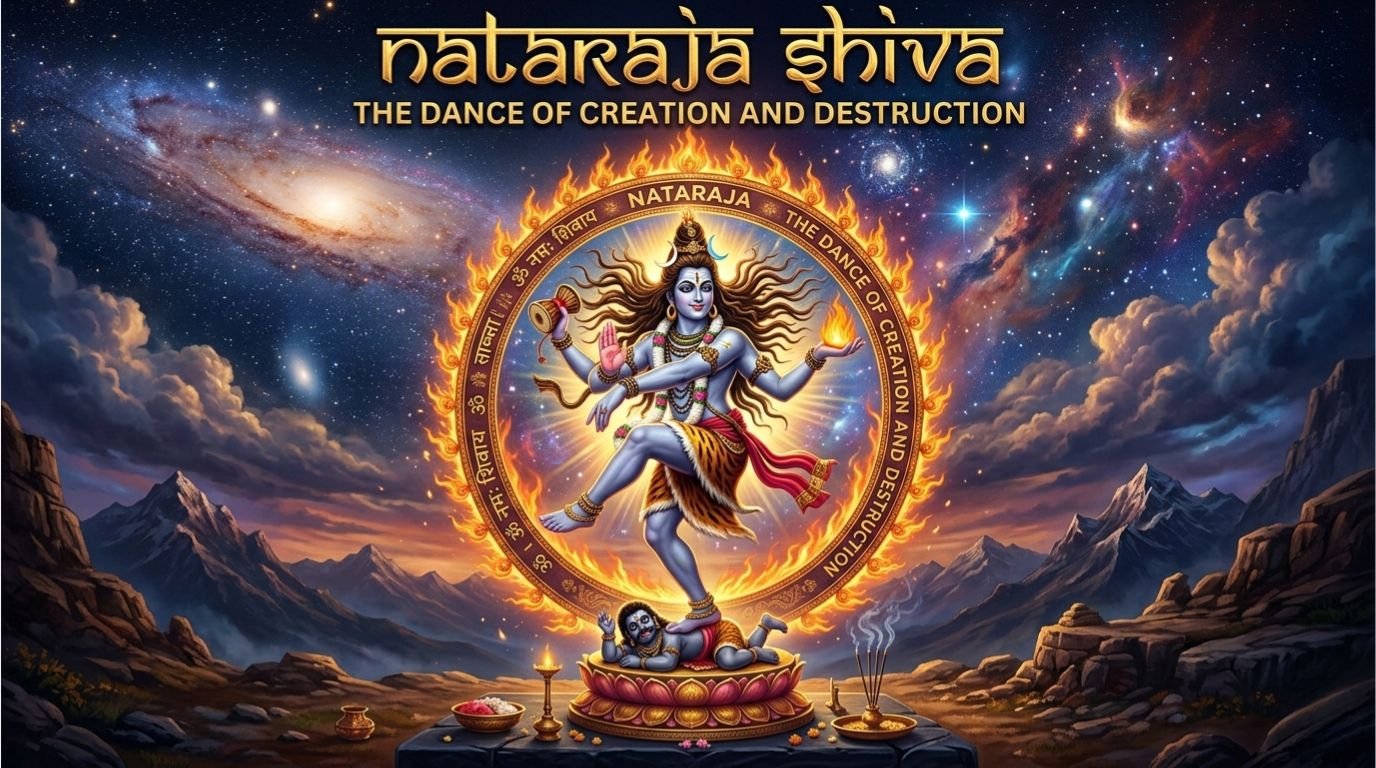
Among the many forms of Lord Shiva, the image of Nataraja is one of the most powerful and symbolic. In this form, Shiva is shown dancing inside a circle of fire, with one leg raised and multiple arms moving in rhythm. This dance is not just artistic expression. It represents the cosmic cycle of creation, preservation, and destruction.
The Nataraja form reminds us that the universe is always moving. Life is constantly changing. Old things end so that new things can begin. Because of this deep meaning, the image of Nataraja has become one of the most striking and meaningful representations of Shiva in spiritual wall art.
When placed in a room, a Nataraja Shiva poster does more than decorate the wall. It reflects the powerful idea that balance exists even within change and chaos.
The Meaning of Nataraja in Hindu Philosophy
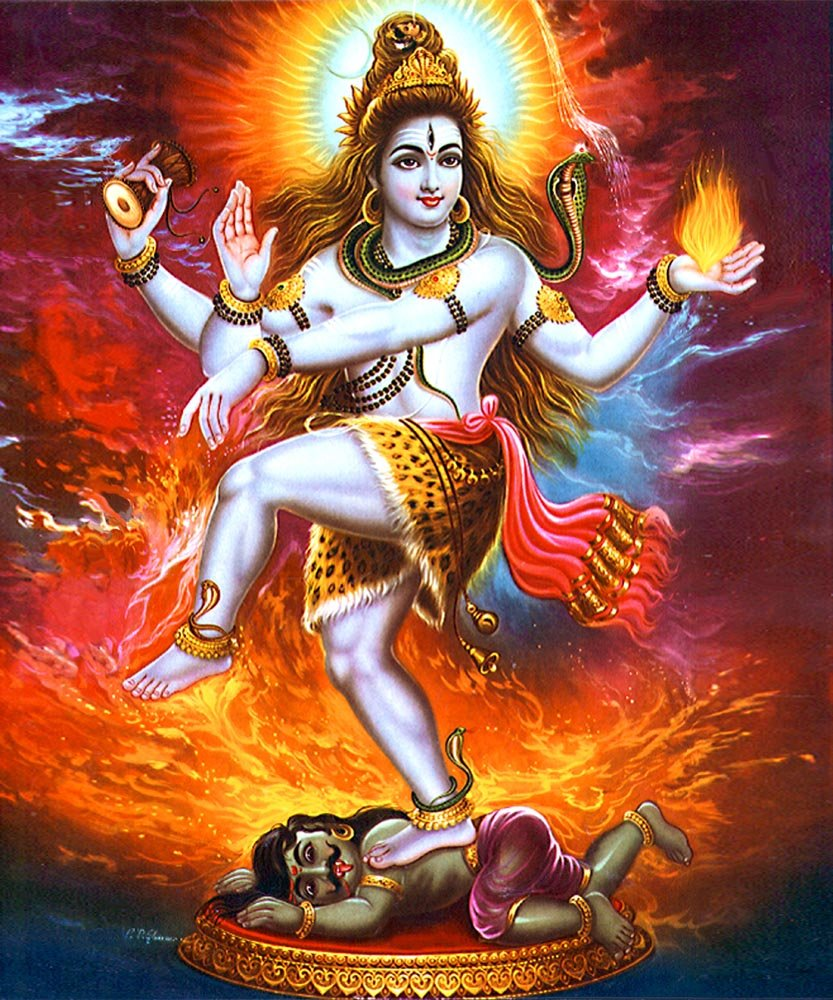
The word Nataraja comes from two Sanskrit words. “Nata” means dance and “Raja” means king. Together, Nataraja means King of Dance.
This dance is believed to represent the movement of the entire universe.
The Cosmic Dance of Creation and Destruction
In the Nataraja form, Shiva dances within a circle of fire. This fire represents the endless cycle of the universe. Everything that exists goes through phases of creation, growth, and destruction.
Shiva’s dance symbolizes this continuous movement. When something ends, it does not mean the end of everything. Instead, it creates space for new life and new beginnings.
This is why the Nataraja image is often seen as a symbol of transformation and balance.
Balance Between Chaos and Order
Although the dance looks energetic and intense, Shiva’s face remains calm. This contrast is important. It shows that even when life feels chaotic, inner balance is still possible.
This calm control connects with the deeper idea of Shiva as the original yogic teacher who represents awareness and discipline. The symbolism of Shiva as Adiyogi, the first yogi who introduced the science of inner mastery, reflects the same balance between energy and stillness.
The Destruction of Ignorance
One of Shiva’s feet presses down on a small figure beneath him. This figure represents ignorance and ego. By stepping on it, Shiva shows that knowledge and awareness remove ignorance.
The raised leg represents liberation. It symbolizes the path toward freedom from confusion and fear.
Together, these elements explain why the Nataraja form carries such strong spiritual meaning.
Symbols Hidden Within the Nataraja Form
The Nataraja image contains several symbols that communicate deep philosophical ideas.
The Circle of Fire
The ring of fire surrounding Shiva represents the universe. It symbolizes the cycle of time and the constant movement of life.
Everything in the world exists inside this cycle. Creation and destruction are not opposites. They are part of the same process.
The Drum of Creation
In one hand, Shiva holds a small drum known as the damaru. This drum represents the sound that begins creation. In many traditions, sound is believed to be the first vibration from which the universe emerged.
The drum therefore symbolizes the beginning of life and the rhythm of existence.
The Fire of Destruction
In another hand, Shiva holds fire. This fire represents destruction. However, this destruction is not negative. It clears the old to make space for the new.
This concept of destruction removing negativity connects closely with the deeper symbolism behind Shiva’s Trishul, which also represents balance and the power to remove harmful forces from life.
The Gesture of Protection
One of Shiva’s hands faces outward in a gesture called Abhaya Mudra. This gesture means protection and reassurance. It tells devotees not to fear change.
The message is simple. Even when life transforms, the universe remains in balance.
Why Nataraja Shiva Works Powerfully in Wall Art
The Nataraja image is visually dynamic and spiritually meaningful. Because of this, it has become a popular theme in spiritual wall decor.
A Symbol of Transformation
Many people place Nataraja artwork in their homes because it represents transformation. Life constantly changes. Challenges appear, and old situations end.
The Nataraja form reminds us that these changes are part of growth. Instead of resisting transformation, the symbol encourages acceptance and resilience.
Strong Visual Presence in a Room
A Nataraja poster naturally becomes the focal point of a wall. The circular fire, dynamic posture, and balanced composition create strong visual energy.
At the same time, Shiva’s calm face keeps the artwork grounded. This balance between movement and stillness gives the artwork a powerful presence.
It is one reason why many people feel that a Shiva image adds intensity and strength to their living space, often creating the kind of atmosphere described when exploring why a Shiva poster brings powerful energy to a room.
Meaningful Decor for Modern Spaces
Spiritual wall art is increasingly being used in modern homes. People are looking for decor that carries deeper meaning instead of purely decorative elements.
The Nataraja form offers both artistic beauty and philosophical depth. Whether placed in a living room, meditation corner, or creative workspace, it adds a thoughtful and symbolic presence.
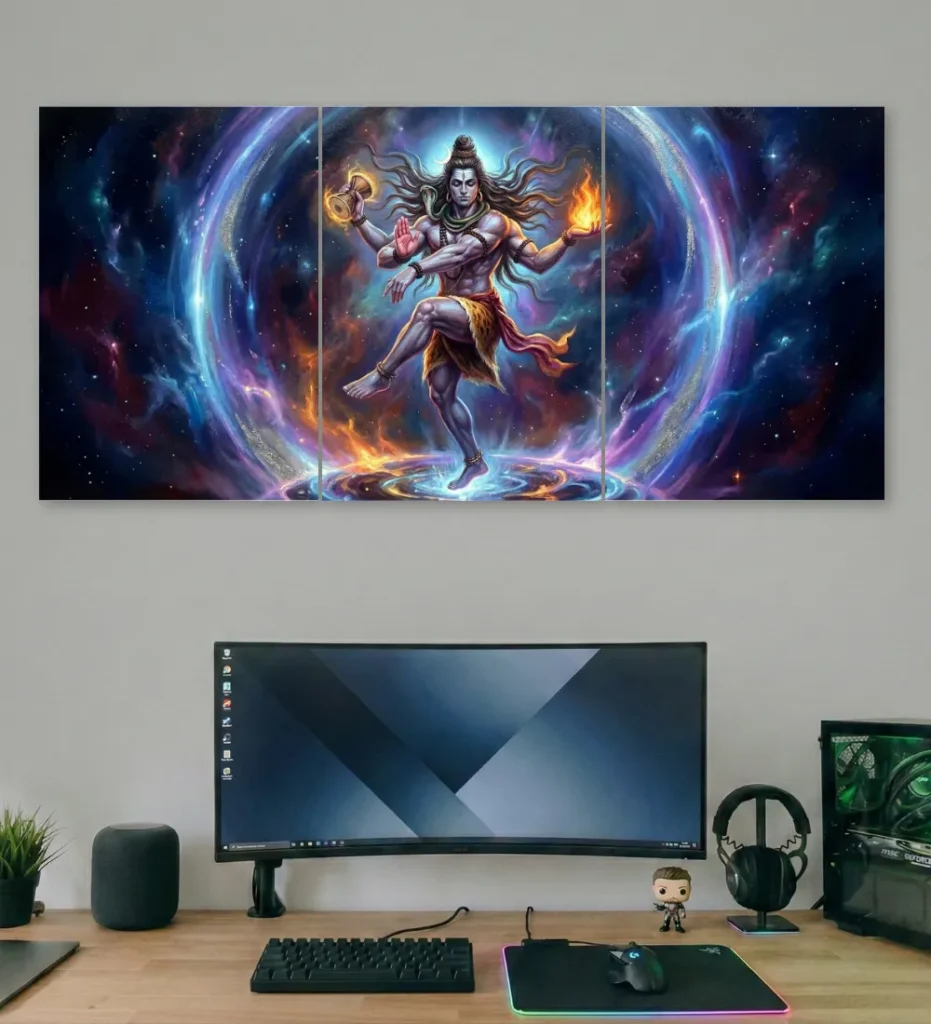
For those drawn to this powerful symbolism, artworks like the Cosmic Nataraja Poster Set highlight the energy and balance of Shiva’s cosmic dance in a striking visual form.
Choosing a Nataraja Poster for Your Space
When selecting a Nataraja artwork, consider both its symbolism and placement.
Living Room Feature Wall
A large Nataraja poster works well as a focal point in the living room. The circular fire and dynamic posture naturally draw attention and add character to the space.
Meditation or Yoga Area
In meditation spaces, the Nataraja form represents balance between movement and stillness. It reminds practitioners that inner calm can exist even within active life.
Study or Creative Workspace
For artists, writers, and creators, the Nataraja symbol represents the creative cycle of ideas. It encourages transformation and innovation.
If you are exploring spiritual wall art for your home, the Shiva posters includes designs inspired by different aspects of Shiva’s symbolism, from meditation and discipline to cosmic energy.
Final Thoughts
The Nataraja form of Shiva represents the cosmic dance that governs the universe. It symbolizes creation, transformation, and the destruction of ignorance. Through this dance, Shiva reminds us that life is always moving and evolving.
When displayed as wall art, the image of Nataraja brings both powerful symbolism and striking visual presence to a room. It reflects the balance between chaos and calm, movement and stillness.
For those who appreciate spiritual depth in their decor, a Nataraja Shiva poster can serve as a meaningful reminder that every ending carries the seed of a new beginning.


